


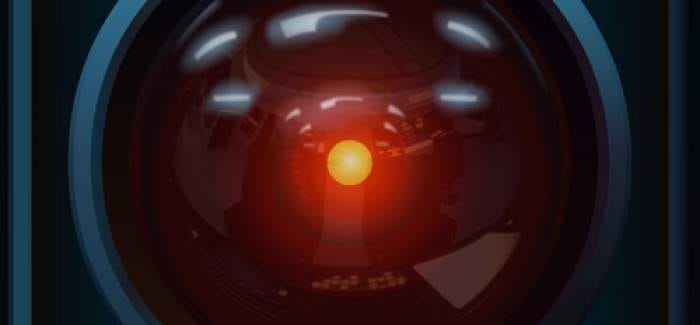
When we think about artificial intelligence, a lot of us picture something straight out of a movie. Maybe HAL 9000 calmly saying, “I’m sorry, Dave. I’m afraid I can’t do that.” Or Skynet becoming self-aware and going full apocalypse on humanity. Or maybe those super-advanced androids you see in a bunch of sci-fi shows. Pop culture has filled our heads with these wild (and often pretty terrifying) ideas of what AI is or could become.
But the truth? It’s a lot more down-to-earth. Still super interesting, but not exactly movie material.
Right now, AIs don’t have consciousness, emotions, or personal goals. They don’t get angry, they don’t hate us, and they definitely don’t wake up one day wanting to take over the world. What they are insanely good at is spotting patterns, crunching massive amounts of data, and spitting out answers that can sound surprisingly human.
So, let’s break it down: What exactly is AI, and how does it all work?
What is artificial intelligence?
Put simply, artificial intelligence is a field in computer science that tries to get machines to do stuff that normally takes human brainpower. Things like understanding language, recognizing images, making decisions, or learning from experience.
Most of today’s AIs work using something called machine learning. That just means they’re not being told what to do step by step. They learn from tons and tons of data. The more data they get, the better they get. Kind of like teaching a kid by showing them a zillion examples until they start to get it.
One of the most popular kinds of AI right now is based on something called a GPT model (short for Generative Pre-trained Transformer). You’ve probably heard of ChatGPT, that’s one of them. These models are all about understanding and generating human-like language.
Language models
A language model is an AI that’s trained to understand and generate text. Basically, it guesses what word is likely to come next based on the words before it. Sounds simple, but it’s what lets it answer questions, summarize stuff, translate languages, or even write full articles like this one.
To train one of these things, you feed it tons of text: books, articles, conversations or websites. It learns how we use language, what sentence structures are common, how ideas connect, and so on. Over time, it gets pretty good at imitating human writing.
But just to be clear: it doesn’t understand anything the way we do. It doesn’t know what it’s saying. It just knows that when people write this, they often follow it with that, because it’s seen that pattern over and over again.
When a language model reads or writes, it’s not dealing with full words like we do. Instead, it breaks things down into tokens, which are little chunks of text. A token could be a full word, a syllable, or even just a few letters, depending on the language and the model. For example, “astronaut” might get split into several tokens, while short words like “the” or “dog” could be just one. It’s kind of like building sentences with Lego bricks.
These tokens get turned into numbers through a process called tokenization, which is what lets the model do all its math magic. During training, the AI sees millions (or even billions) of these token sequences and learns to guess what token should come next. So when you ask it to write something, it’s actually just calculating the most likely next token, one after another, until it forms a full answer. It doesn’t know what anything means, but it’s really good at spotting patterns using those tiny text chunks.
What’s a neural network, and how do you train one?
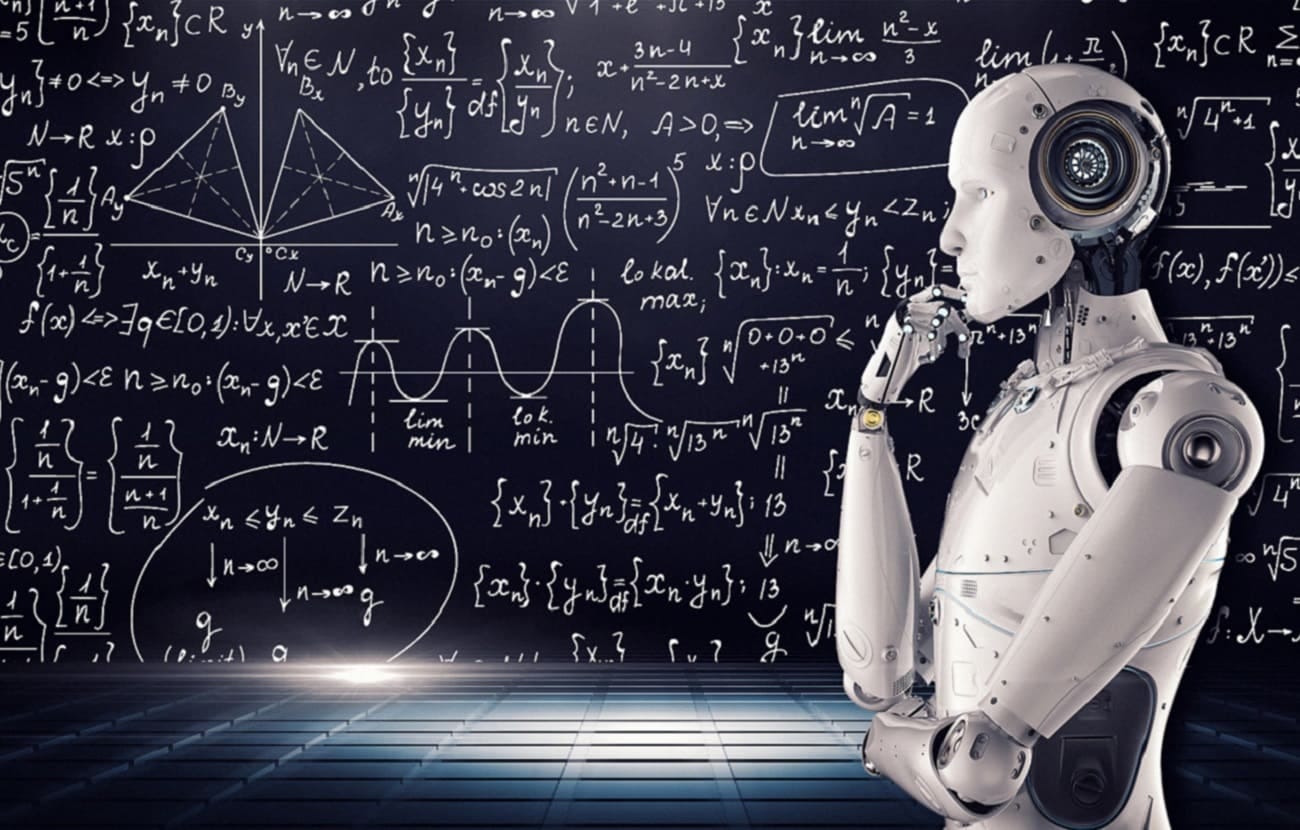
Alright, let’s talk about the engine under the hood of all this: neural networks. The name sounds super technical, but the idea’s actually pretty simple. They’re called that because they (sort of) mimic how the neurons in our brain work. Think of them as a network of little “nodes” all connected together, passing info between them and learning as they go.
Picture a multi-layered network that gets some input (like a chunk of text), another layer processes it, another finds patterns, and so on until it spits out a conclusion or prediction. Each node does its job and sends the result to the next, like an assembly line.
Training a neural network is basically teaching it through repetition. Let’s say you want it to figure out if a sentence is positive or negative, you’d feed it thousands of labeled examples. At first, it gets a bunch wrong. But every time it messes up, it tweaks the “weights” in its internal connections to do a little better next time. And after thousands (or millions) of tries, it starts getting pretty good.
The engineers training these networks do a ton of stuff: choosing the right data, building the network architecture, making sure it doesn’t learn weird stuff (like bias or errors), and testing everything a million times until it works well. It’s part science, part craft, because not everything can be automated.
Oh, and in case you’re wondering, training these networks takes massive computing power. We’re talking rows of high-end GPUs running for days (or weeks) just to train a single model.
AI myths vs. reality
One of the biggest myths is that AIs think like we do. Nope. They don’t think. They analyze, predict, sort things out... but they don’t “understand” anything the way humans do. They also don’t have goals, emotions, or common sense (even if it sometimes seems like they do).
Another common myth is that AI can do anything. Not true. Today’s AIs are amazing at specific tasks, but take them out of that zone and they fall apart. An AI that’s great at chess isn’t going to write you a novel. And one that tells cats from dogs in pictures isn’t flying a plane (not yet, anyway).
The truth is, today’s AIs are crazy powerful tools, but they still have a lot of limits. They can help us work faster, dig through data, or take boring tasks off our plate but they’re nowhere close to replacing what makes us human: creativity, moral judgment, empathy... That’s still our territory.
So, what’s coming next?
In the near future (actually, already happening), we’re gonna see AI everywhere: self-driving cars, super smart personal assistants, robots helping out the elderly, medical systems spotting rare diseases… All that stuff is already being developed and is slowly making its way into our daily lives.
People are also working on what’s called “general artificial intelligence”, basically, an AI that could do anything a human can do. But don’t panic, that’s still a long way off. A very long way. Most of the stuff you see on social media or in the news about it is still more science fiction than science fact.
AI in movies and books
Movies have shown us all kinds of AIs-killer-machines like Skynet in Terminator, creepy assistants like HAL 9000 in 2001: A Space Odyssey, the replicants from Blade Runner, or the seductive voice in Her.
Fun fact: HAL is just one letter off from IBM in the alphabet. Try shifting each letter forward by one. Yep. Wild.
In books, legends like Isaac Asimov were talking about this stuff decades ago, with his famous Three Laws of Robotics and all the moral dilemmas about smart machines. Arthur C. Clarke also dove into this territory, imagining what would happen if an AI ever surpassed humans.
But remember: those movie AIs are usually just mirrors of our fears, not what today’s AI actually is. HAL went off the rails because of conflicting orders. Skynet didn’t hate us, it just decided we were the problem. So, they weren’t really evil, or human, or even conscious.

Today’s AIs don’t have inner conflicts or make decisions on their own. Most of the problems they have actually come from the training data, meaning, human-made errors and biases. If we ever do create an AI with real consciousness, that’ll be a whole new conversation. But for now, what we’ve got are powerful algorithms that help us out but they don’t think like us.
So next time someone says machines are going to take over the world, relax. Right now, AI just wants to help you write a decent email, find cute cat pictures, or suggest what show to binge this weekend.